Technical Programme
AUV2026 is a single track featuring over 40 oral presentations and 40 poster presentations alongside an industry exhibit.
There will be keynotes, a panel session, facility tours and a gala dinner.
Details of the programme can be found below, and will be updated in the build up to the event.
- Posters: Posters must be prepared in A0 (841 mm × 1189 mm) or A1 (594 mm × 841 mm) format and displayed in portrait orientation. The poster boards measure 1000 mm wide × 1800 mm tall, anything exceeding these dimensions cannot be accommodated. All authors are required to bring their posters already printed. There are no printing facilities available onsite during the conference. All necessary fixtures for mounting posters will be provided.
- Presentations: 12 minutes + 3minutes for questions. There will be a windows PC with the latest version of microsoft powerpoint and adobe PDF installed. Upload presentation before the start of your session. There will also be an HDMI input if you prefer to use your own laptop. Please coordinate with your session chair.
All authors should have been contacted by our technical committee on their presentation format. If you submitted to our Journal or Standard track, and you are unsure whether/how you will be presenting, get in touch auv2026@soton.ac.uk
Keynotes
Our speakers (click for details)
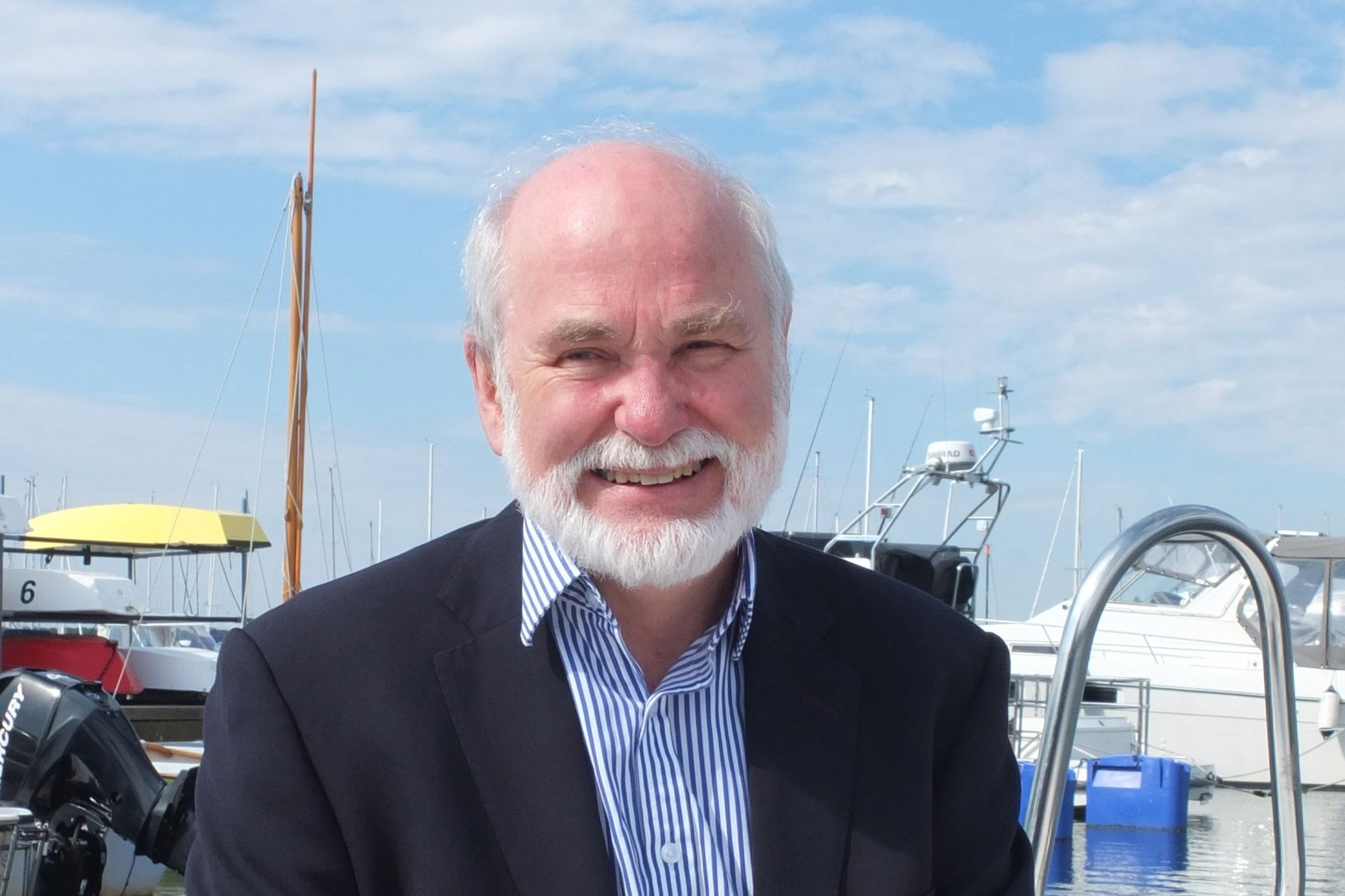
Prof Gwyn Griffiths MBE
Autosub under ice: A story of large risks, great people and great science
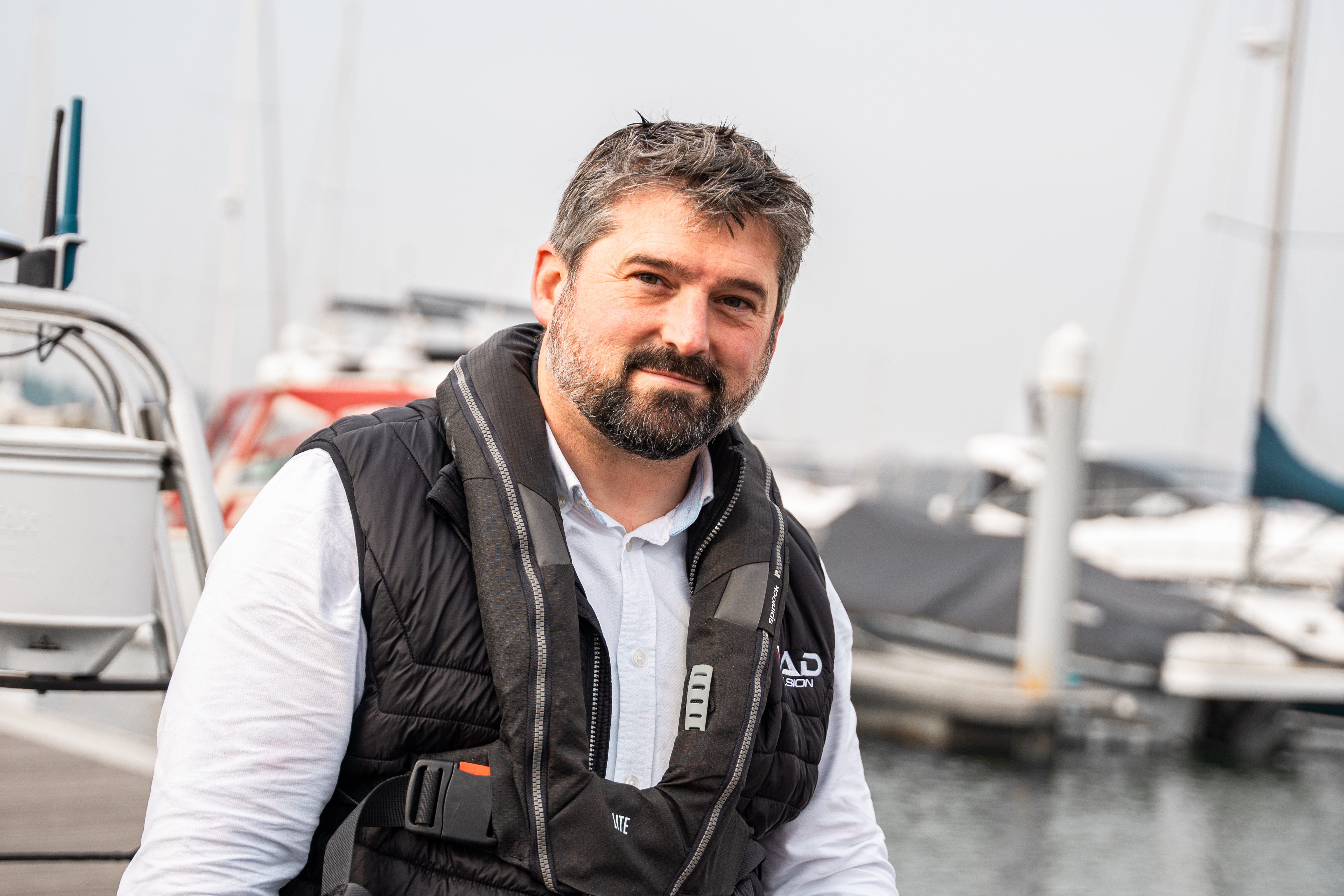
Dan Hook
USVs – 25 year recap and 5 year look ahead
Prof Gwyn Griffiths MBE
Autosub under ice: A story of large risks, great people and great science
Dan Hook
USVs – 25 year recap and 5 year look ahead
Autosub under ice: A story of large risks, great people and great science
The scientific case for using autonomous underwater vehicles (AUVs) under ice to gather information on the ice itself, the water beneath, and the seabed terrain is truly compelling. It was compelling in 1989 in the scientific requirements for the embryonic Autosub AUV Programme. Today, in part due to observations already made by AUVs under ice, the case is even stronger. But so are the engineering and strategic challenges. The goals for Autosub under ice in 1989 – a 2500 km under the Filchner Ronne Ice Sheet and 5000 km across the Arctic Ocean – have not yet been met. Experience gained in an era when the technology was immature, and scientists were wary or skeptical of AUVs delivering data, remains relevant. This historical perspective covers failures as well as successes, for AUV missions, for sustained collaboration between development engineers and users, and between them and their sources of funding. Persistent presence under ice, with periodic data telemetry, is surely a must-have for global environmental science.
USVs – 25 year recap and 5 year look ahead
An insightful review of USV development and deployment over the last 25 years and how this has led to the next 5 years of expected rapid adoption.
Panel & Ice Breaker Reception
Marine Autonomy’s Journey – Overlooked or Overhyped Through Different Lenses?
The panel event will explore how marine autonomy’s journey is perceived from different perspectives, by people in our field working in different sectors, at different career stages, and by people outside our field. Following the panel, guests are invited to a drinks reception - an opportunity to network with attendees, and connect with our panelists.
Date: Tuesday 1 September 2026
Time: 18:00 - 20:00
Venue: Southampton City Art Gallery, Civic Centre, Commercial Road, Southampton SO14 7LY
Coach travel (leaving National Oceanography Centre at 17:30) is included as part of your booking. No return travel will be provided. The venue is located in the centre of the city of Southampton, and guests are free to depart the reception at their convenience.
Our panelists (click for details)
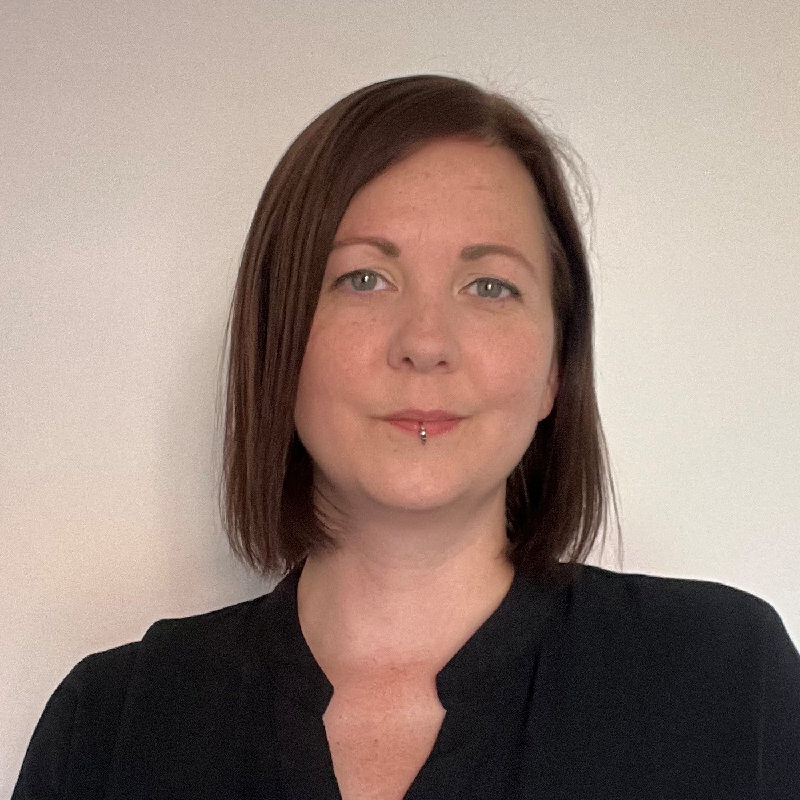
Dr Claire Asher (facilitator)
Prof Gwyn Griffiths MBE
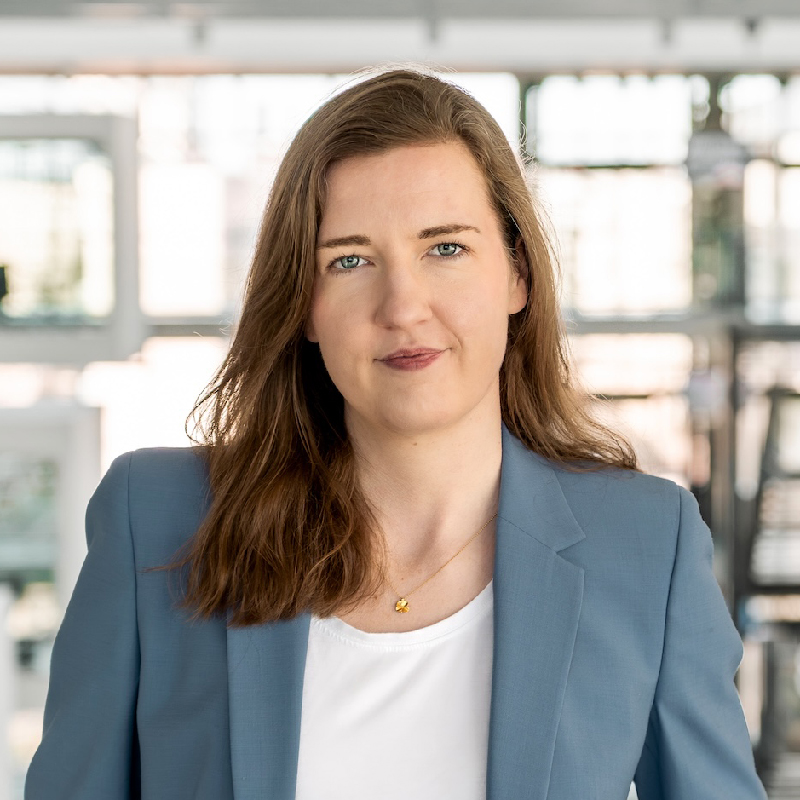
Dr Laura Weihl
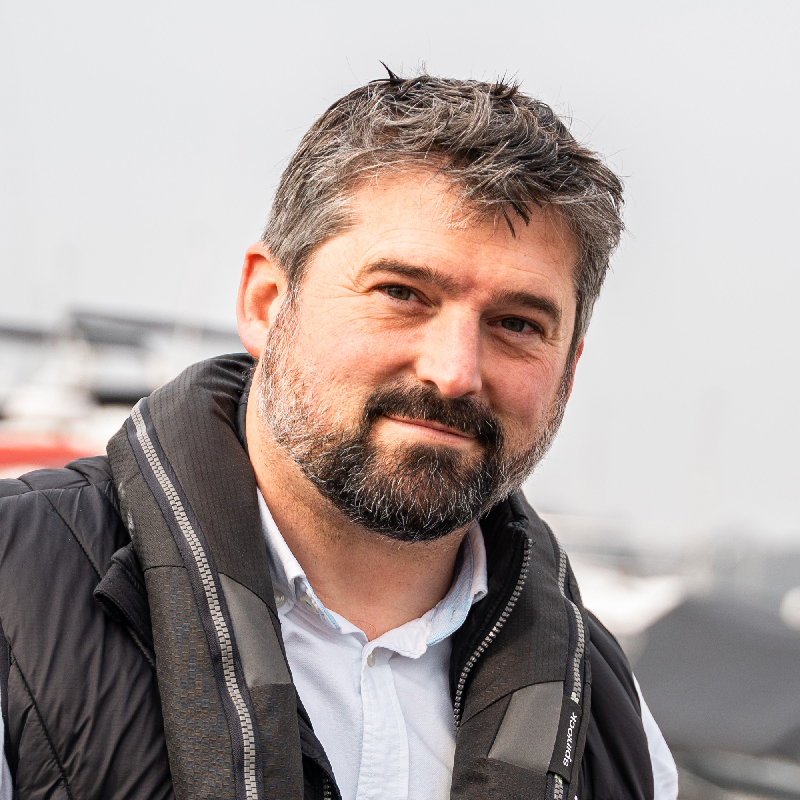
Dan Hook
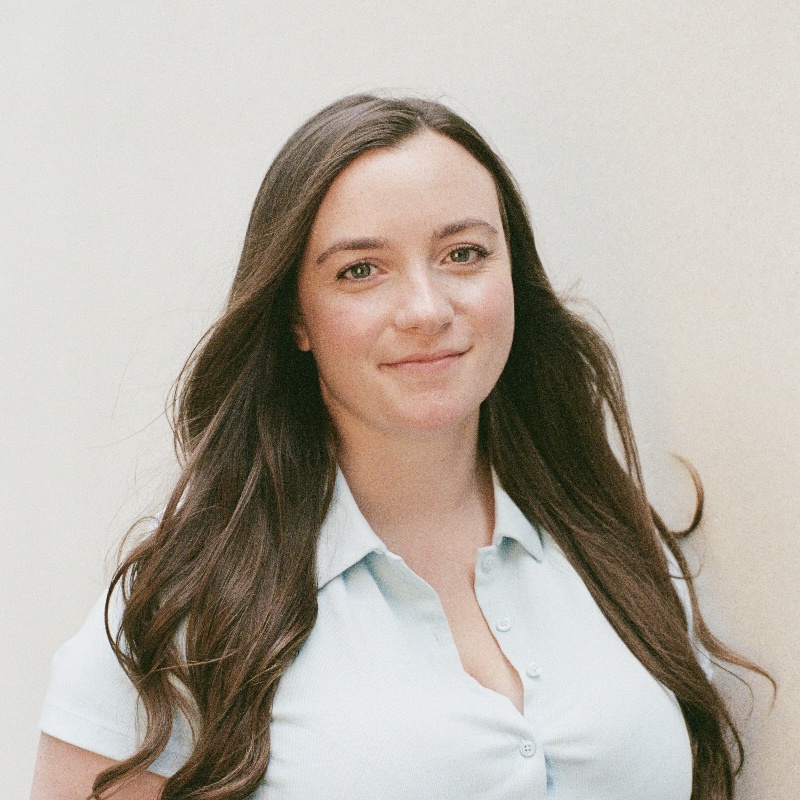
Dr Edith-Clare Hall
Open Ocean Software Community Day UK – Friday, 4th September 2026
Open Ocean Software would like to invite you to their first community day at the National Oceanography Centre in Southampton, UK, where you can expect focused talks, in-depth discussions, and plenty of time for networking in a single-track format. This is also your chance to have early feedback on the goals and implementation of the Open Ocean Software organization.
This workshop will take place on Friday, 4th September 2026, directly following the IEEE OES AUV Symposium, also held in Southampton.
You can submit an abstract for a technical talk in one of two tracks: lightning talks and standard talks. For more details, including abstract submission, preliminary agenda, and registration, see: