Technical Programme
AUV2026 is a single-track conference. Poster presenters and exhibitors are encouraged to attend the oral sessions and participate fully in the technical programme.
Presentations: 12 minutes + 3minutes for questions. There will be a windows PC with the latest version of Microsoft powerpoint and adobe PDF installed. Please upload your presentation at the registration desk before you session. There will also be HDMI and USB-C inputs if you prefer to use your own laptop. Please make yourself known to your session chair during the break before your session, check uploaded files and connections work as expected.
Posters: Should be prepared in A0 (841 mm × 1189 mm) portrait, although A1 (594 mm × 841 mm) can also be accomodated. Authors are required to bring their posters already printed, and mount them on their assigned Board A/B/C/D on registration. Posters will remain on display throughout the conference in the poster and exhibitor area. The poster boards measure 1000 mm wide × 1800 mm tall, anything exceeding these dimensions cannot be accommodated. There are no printing facilities available onsite during the conference. All necessary fixtures for mounting posters will be provided.
There will be a dedicated poster core time, and session chairs will give brief “poster shouts” during relevant oral sessions to direct attendees to related posters boards. Poster presenters should be by their boards during the poster core time, and hang around near their posters during lunch, and networking breaks (after getting food and drink).
All papers must be presented in person by an author. There is no online or hybrid provision, and if a paper is not presented, it will not be included in the proceedings. If you submitted to our Journal or Standard track, and you are unsure whether/how you will be presenting, get in touch auv2026@soton.ac.uk.
Keynotes
Our speakers (click for details)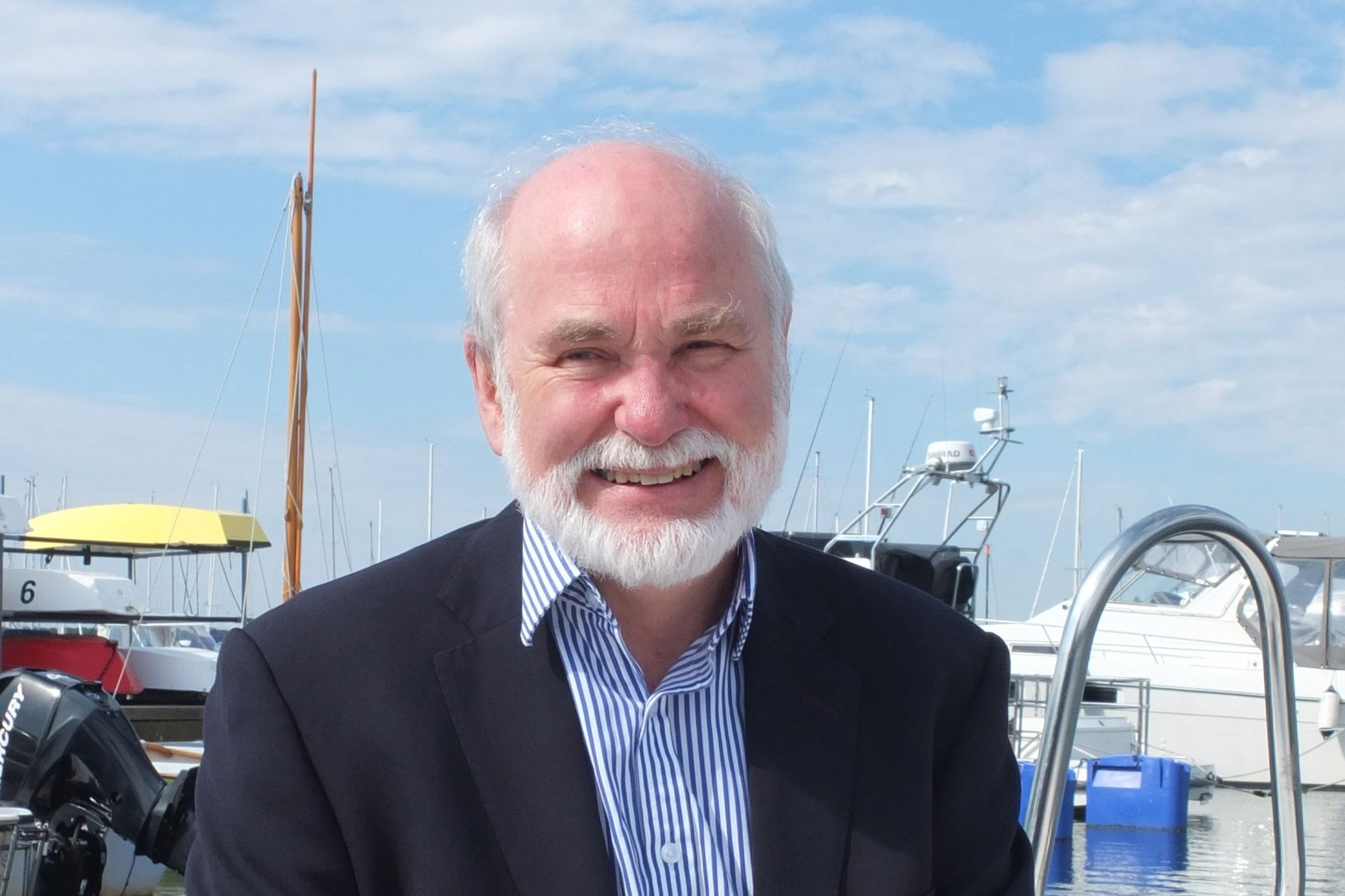
Prof Gwyn Griffiths MBE
Autosub under ice: A story of large risks, great people and great science
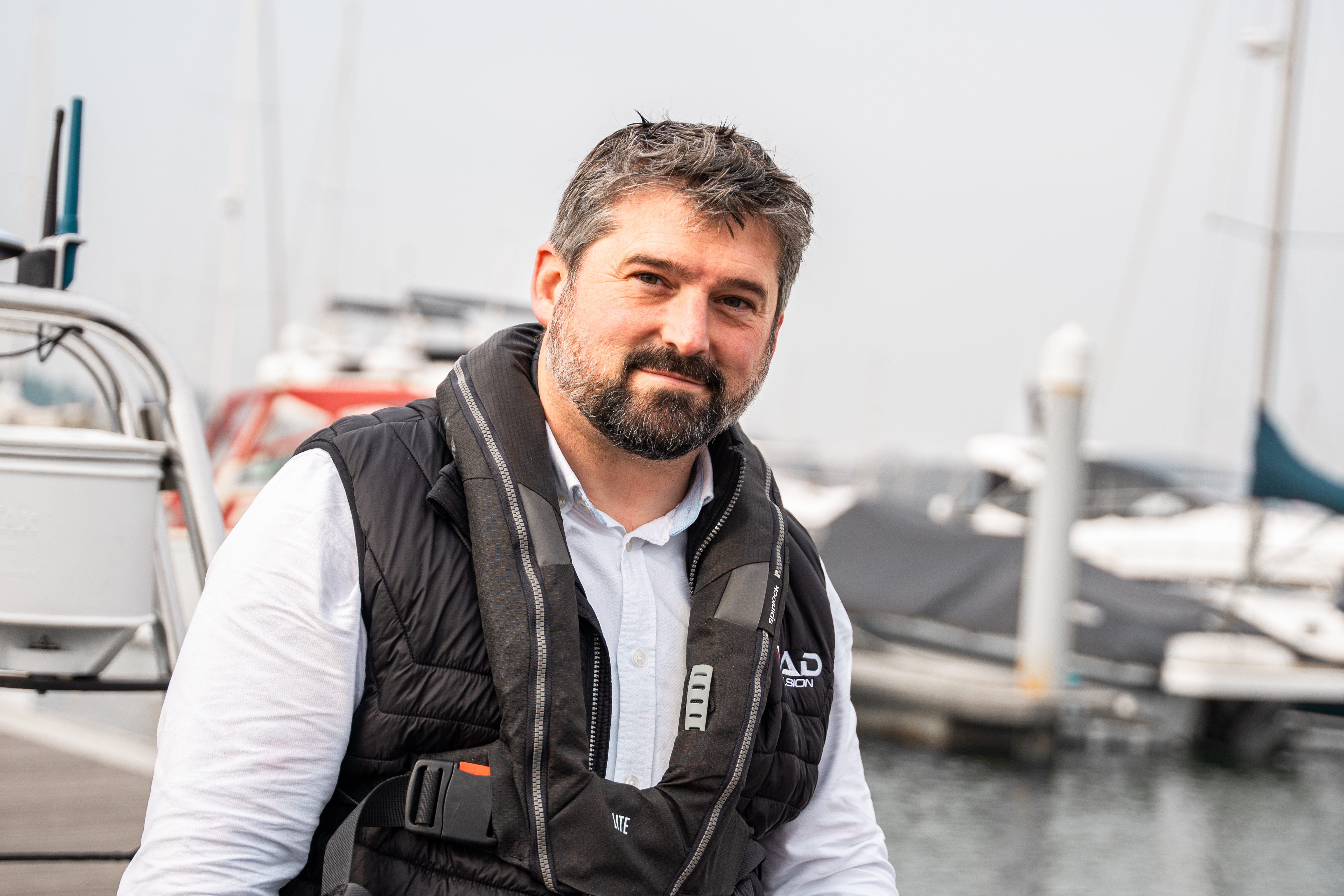
Dan Hook
USVs – 25 year recap and 5 year look ahead
Prof Gwyn Griffiths MBE
Autosub under ice: A story of large risks, great people and great science
Dan Hook
USVs – 25 year recap and 5 year look ahead
Autosub under ice: A story of large risks, great people and great science
The scientific case for using autonomous underwater vehicles (AUVs) under ice to gather information on the ice itself, the water beneath, and the seabed terrain is truly compelling. It was compelling in 1989 in the scientific requirements for the embryonic Autosub AUV Programme. Today, in part due to observations already made by AUVs under ice, the case is even stronger. But so are the engineering and strategic challenges. The goals for Autosub under ice in 1989 – a 2500 km under the Filchner Ronne Ice Sheet and 5000 km across the Arctic Ocean – have not yet been met. Experience gained in an era when the technology was immature, and scientists were wary or skeptical of AUVs delivering data, remains relevant. This historical perspective covers failures as well as successes, for AUV missions, for sustained collaboration between development engineers and users, and between them and their sources of funding. Persistent presence under ice, with periodic data telemetry, is surely a must-have for global environmental science.
USVs – 25 year recap and 5 year look ahead
An insightful review of USV development and deployment over the last 25 years and how this has led to the next 5 years of expected rapid adoption.
Panel & Ice Breaker Reception
Marine Autonomy's Journey – Overlooked or Overhyped Through Different Lenses?
The panel event will explore how marine autonomy’s journey is perceived from different perspectives, by people in our field working in different sectors, at different career stages, and by people outside our field. Following the panel, guests are invited to a drinks reception - an opportunity to network with attendees, and connect with our panelists.
Date: Tuesday 1 September 2026
Time: 18:00 - 20:00
Venue: Southampton City Art Gallery, Civic Centre, Commercial Road, Southampton SO14 7LY
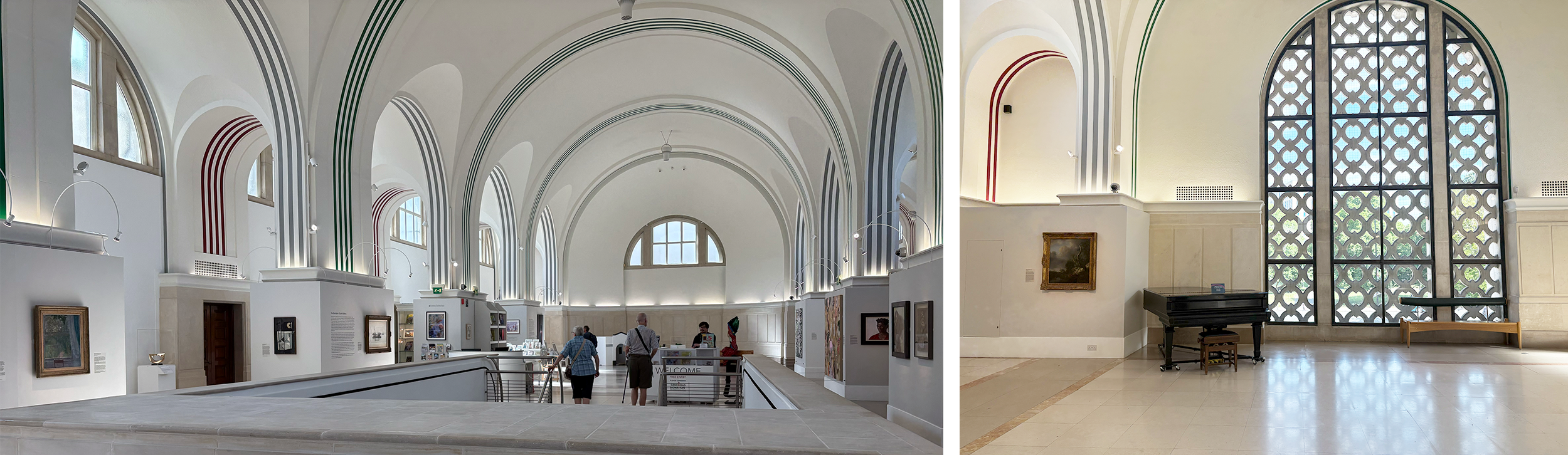
Southampton City Art Gallery is located in the centre of Southampton. Its collection spans eight centuries of Western art from the Renaissance to the contemporary British art, including works by Claude Monet, J.M.W. Turner, and recent Turner Prize winners.
Travel and bags Two coaches will leave the National Oceanography Centre at 17:30. These are included in your registration. No return travel will be provided. The venue is located in the centre of the city of Southampton, and guests are free to depart the reception at their convenience. The gallery is about a 35 minute walk from the main symposium venue.
Please note that bags with wheels and/or those larger than cabin allowance (56x40x21cm) are not permitted inside the gallery.
If you have any questions regarding this event, please contact: auv2026@soton.ac.uk
Our panelists (click for details)
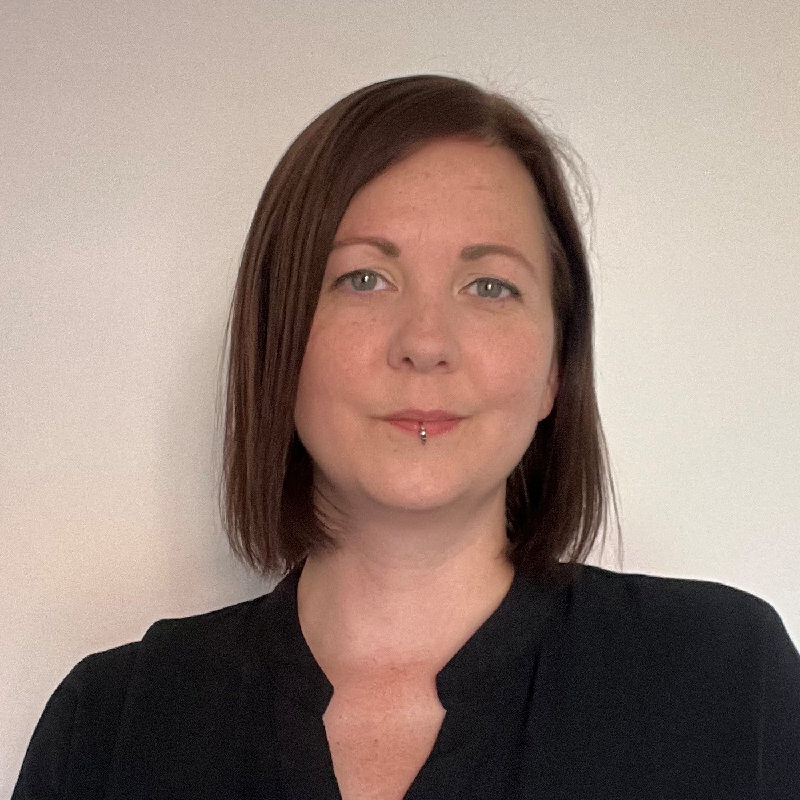
Dr Claire Asher (facilitator)
Freelance science communicator and host of the Robot Talk podcast. She has spent over a decade communicating complex scientific topics — ranging from geology to conservation to robotics — to non-specialists through a variety of formats, including magazines, books, radio shows, television documentaries, podcasts, festivals and comedy nights. She is endlessly curious about nature, science, and technology and she brings that curiosity and enthusiasm to everything she does.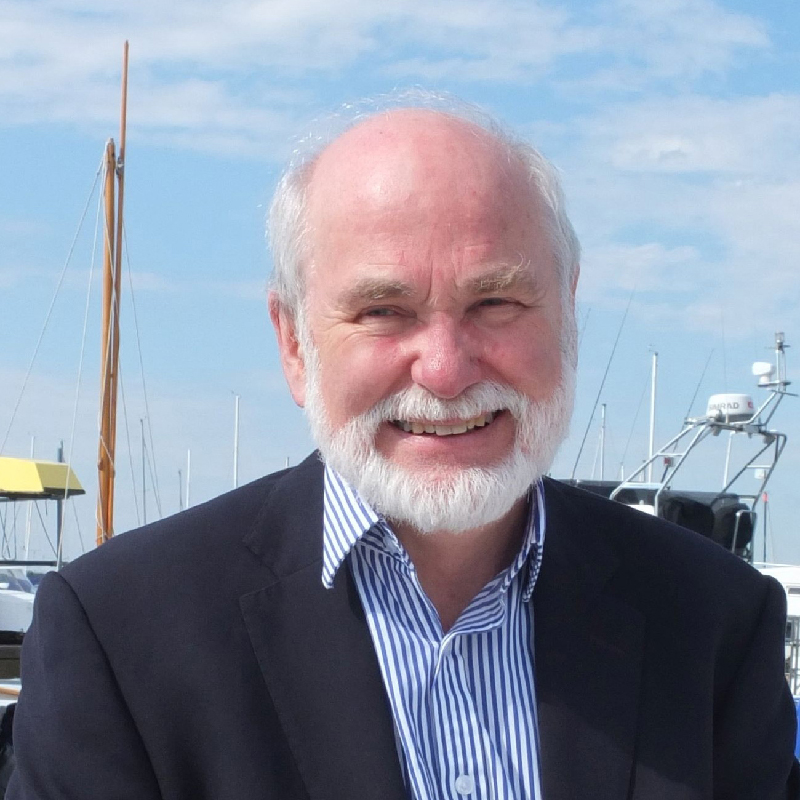
Prof Gwyn Griffiths MBE
Was Chief Technologist and founder of the Marine Autonomous and Robotic Systems group at the UK National Oceanography Centre and Professor of Underwater Systems Engineering at the University of Southampton until 2012. His involvement with the Autosub programme and AUVs began in 1989 with an assessment of the mission control requirements. Responsible primarily for strategic direction and, with the science community, creating funding opportunities, he also championed new approaches to AUV risk management. Awards include the SUT President's Award in 2010, the IEEE OES Distinguished Technical Achievement Award in 2013. He was inducted as a Member of the Order of the British Empire (MBE) by Queen Elizabeth II in 2015. He continues to publish on the history of AUVs.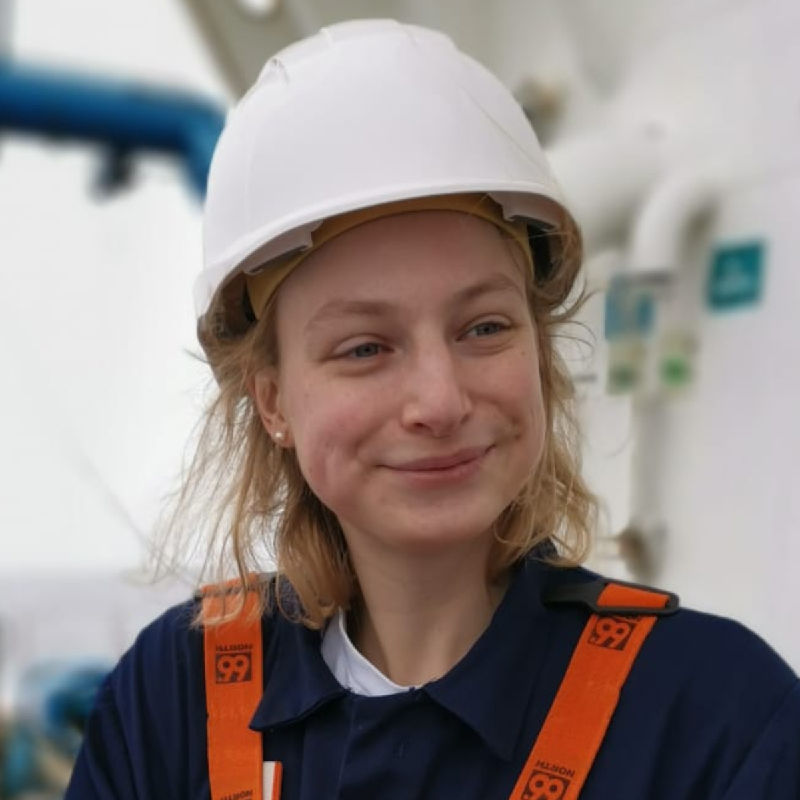
Dr Emma Curtis
A research fellow in the Maritime Engineering department at the University of Southampton. She completed her interdisciplinary PhD researching the impact of uncertainty on human and machine interpretations of seafloor imagery for ecological monitoring, gaining insight into the field of marine autonomy from marine ecologists, engineers and computer scientists. Her current work includes helping deploy AUVs in the field and managing and interpreting the data collected by AUVs and other marine imaging platforms. She continues to be interested in how we can effectively use marine autonomy for seafloor conservation and monitoring.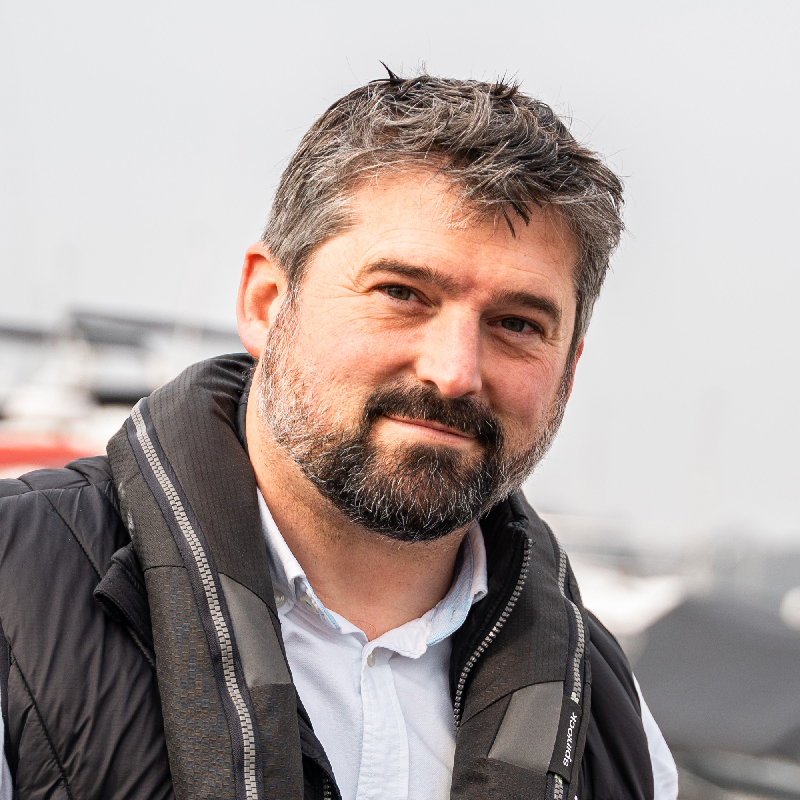
Dan Hook
Trained as a Naval Architect at the University of Southampton. As one of the founders of ASV Ltd he helped grow that company as a pioneer in USV/ASV development for scientific, commercial and defence applications. After selling this business to L3 Harris in 2018 he became the CTO of Ocean Infinity, helping to develop the Armada fleet of lean crewed and uncrewed assets. He was a non-executive director of the National Oceanography Centre for 6 years and seed investor in several robotics start-ups. He is currently the CEO of RAD, developing propulsion and control equipment for surface vessels.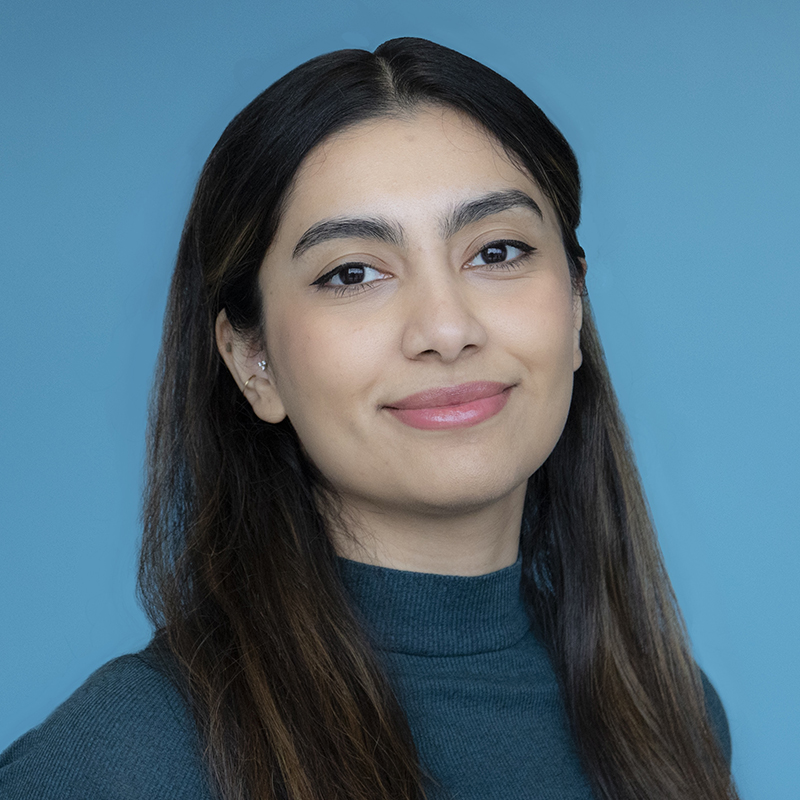
Sara Aldhaheri
A PhD researcher at University College London (UCL), where her work focuses on underwater robotics and autonomous systems. Her research spans underwater manipulation, perception, and motion planning, with particular emphasis on enabling intelligent robotic systems to operate safely and effectively in complex marine environments. Sara has contributed to advances in underwater robot manipulation and marine robotic perception, and is an active contributor to the international robotics community through research, publications, and initiatives that promote collaboration and diversity in robotics. Her current work explores trustworthy autonomy, underwater robotic simulation, and the integration of AI-driven decision-making for next-generation autonomous marine systems.
Dr Edith-Clare Hall
A technical generalist focused on accelerating scientific breakthroughs for the Advanced Research and Invention Agency (ARIA). Her doctoral work developed bespoke wearable robots for progressive disease, leveraging novel hardware and AI. Her current interest is on critical interfaces where interconnected systems meet, bridging the gap between academic research and real-world application to unlock cyber-physical autonomy. Edith was winner of the Robotics & Automation Magazine Rising Star Award (2024) and is leader of Women in Robotics UK.Gala Dinner
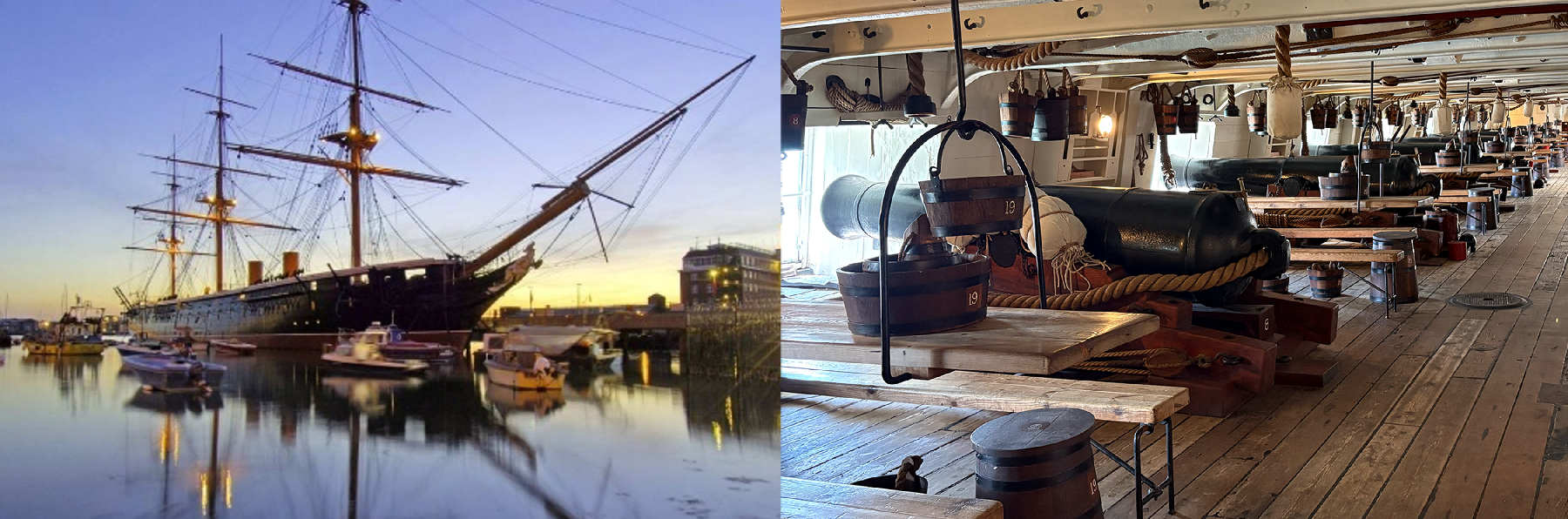
The Gala Dinner will be on the Main Gun Deck at HMS Warrior, Portsmouth Historic Dockyard
Date: Wednesday 2 September 2026
Time: 19:00 - 21:30
Venue: HMS Warrior, Portsmouth Historic Dockyard, Victory Gate, Portsmouth PO1 3QX
Dress code: Smart casual
The HMS Warrior was launched in 1860 as the Royal Navy’s first iron-hulled, armoured warship and is a landmark of Victorian engineering. Coach travel (leaving National Oceanography Centre at 17:55) is included as part of your booking, and will return to the same location. Dinner will be served at mess tables among the cannons on the Main Gun Deck, with a bar located mid-deck in the galley area.
Access is via a jetty and gangway to the Top Deck, incline varies with tide and can be steep at high tide. There are ladder steps with rope handrails to the lower decks where food will be served. Lighting is low, and some areas have low ceilings and steps. Toilet facilities are located two decks below the Main Gun Deck.
Accessibility: A chair lift is available from the Upper Deck to Main Gun Deck dining area. Guests must be able to transfer in/out of the chair independently, and the lift has a weight limit of 100kgs. There are two wheelchairs available for guests to use, and there is a maximum of 2 wheelchair users onboard at any time due to fire, health & safety regulations. Accessible toilets are available on the Cable deck.
Health and safety: HMS is a historic ship. Staff will be available to assist guests, but guests are required to take care onboard due to:
- Trip hazards, low ceilings and low lighting.
- Steep ladders with rope handrails.
- The deck can be slippery in wet weather.
- Smoking and vaping are not permitted onboard. There is a designated area on the jetty next to the ship.
- Footwear: Stilettos or very narrow heels should be avoided to prevent damage to the ship. Heels should be no narrower than a 5p coin. Heel stoppers are recommended.
If you have any questions regarding this event, please contact: auv2026@soton.ac.uk
Open Ocean Software Community Day UK – Friday, 4th September 2026
Open Ocean Software would like to invite you to their first community day at the National Oceanography Centre in Southampton, UK, where you can expect focused talks, in-depth discussions, and plenty of time for networking in a single-track format. This is also your chance to have early feedback on the goals and implementation of the Open Ocean Software organization.
This workshop will take place on Friday, 4th September 2026, directly following the IEEE OES AUV Symposium, also held in Southampton.
You can submit an abstract for a technical talk in one of two tracks: lightning talks and standard talks. For more details, including abstract submission, preliminary agenda, and registration, see: